Rainy Season (March-May)
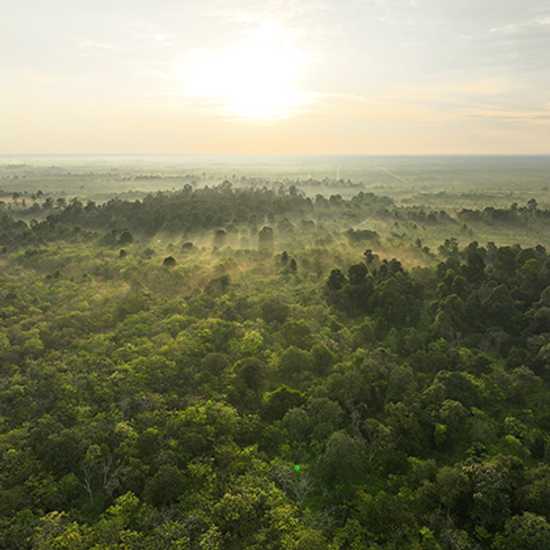
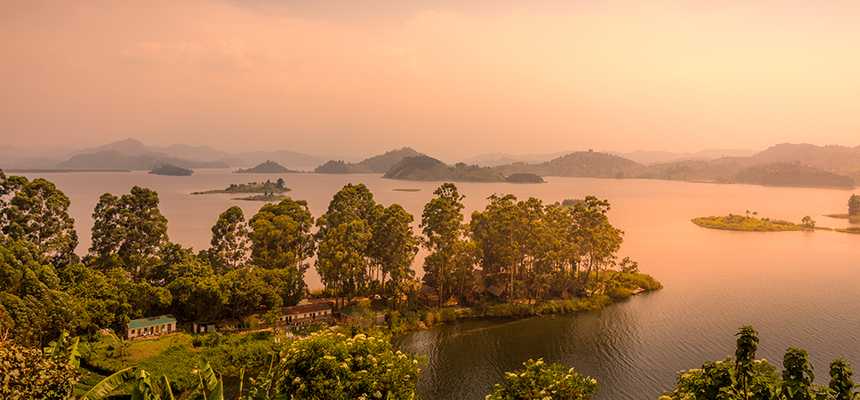
- Rainfalls give new life to the forests and grasslands of Virunga.
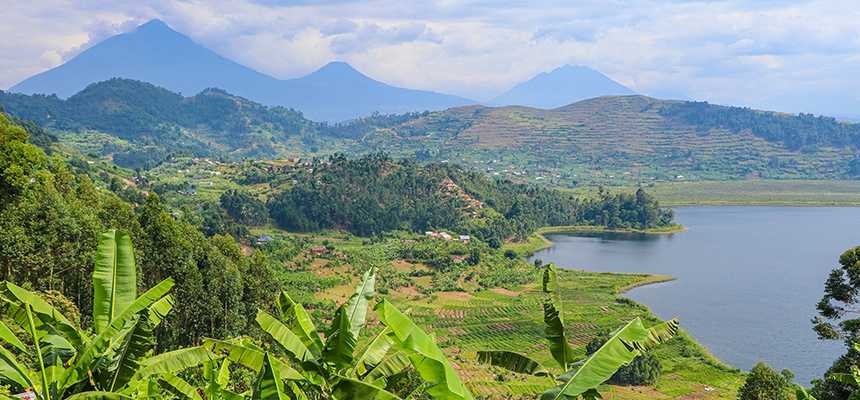
- Plants grow in perfect conditions throughout the volcanic landscape, making this park greener.
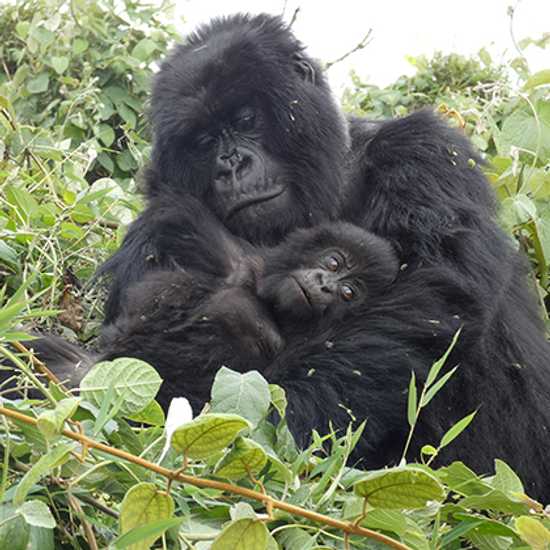
- The abundance of fresh foliage and wild plants is a favourite among mountain gorillas.
- The high mountains are often enveloped in mist, providing a magical atmosphere in the forest.
- Some trails may be muddy, which makes travelling slower but more adventurous.
Short Dry Season (June to July)
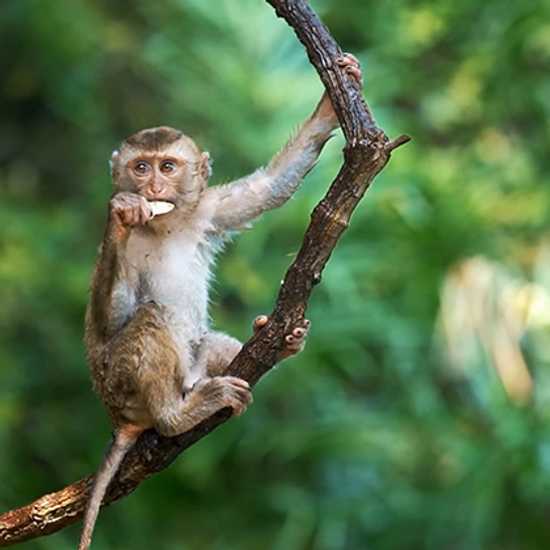
- The wild animals are easier to see on cooler and drier days.
- Explore forest paths more easily, particularly in the vicinity of the gorilla trekking areas.
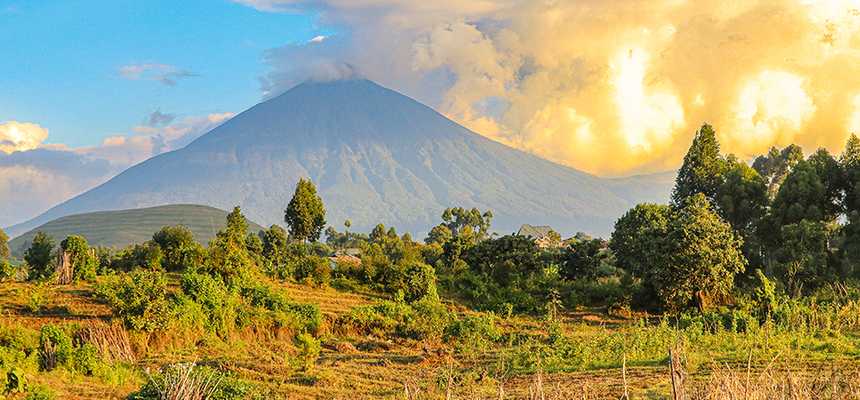
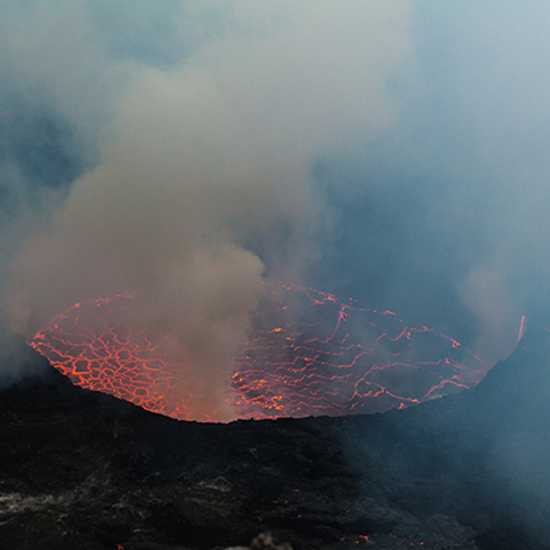
- Sunnier weather provides better viewing opportunities of the park's dramatic volcanic scenery.
- Animals tend to be more visible as they come together to feed in familiar feeding sites.
- A quieter period compared with peak holiday months, offering comfortable trekking conditions and arguably the best time to visit Virunga National Park
Long Rainy Season (August to November)
- During heavy showers Virunga becomes a green paradise.
- Fresh sounds abound in the forests, such as the sound of flowing streams and birds.
- New vegetation forms a gorgeous environment for nature enthusiasts and photographers.
- Some of the paths can be slippery and wet, making gorilla trekking more difficult.
- The sky is overcast, and the mountains are shrouded in a foggy atmosphere.
Main dry season (December to February)
- The best days to visit the park are when it's warm and sunny, marking the best time to visit Virunga National Park.
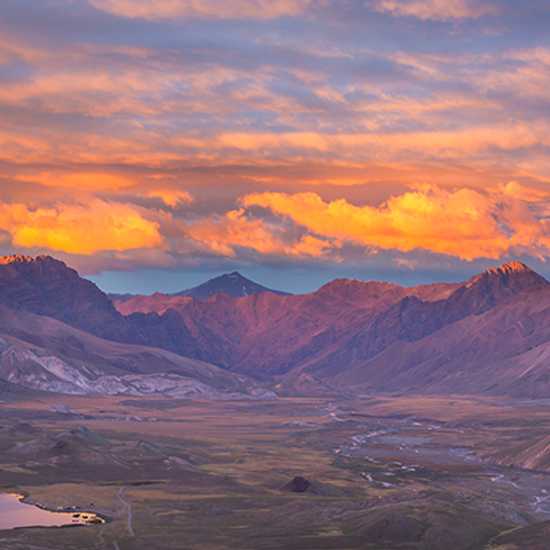
- The view of the mountains is often clearer; the beauty of the volcanic peaks is seen.
- Trails are firmer, fewer rainfalls and wildlife walks are more comfortable.
- It is a popular time for tourists to experience gorilla trekking.
- The park's landscapes are more dramatic, with the dry forests and open areas.