Summer Rains (November – March)
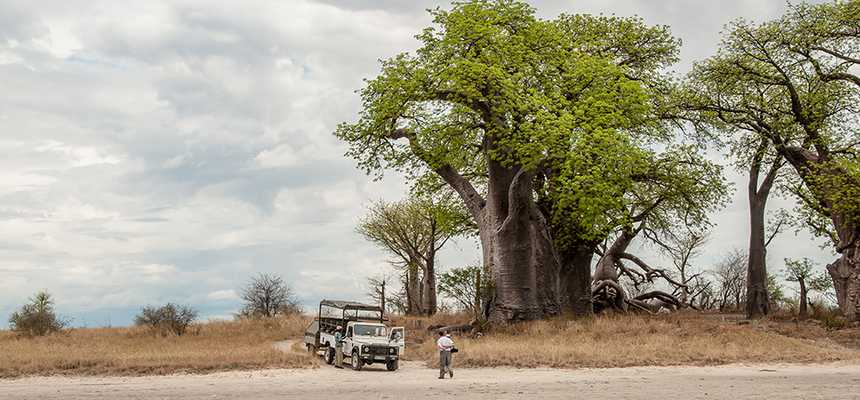
- The dry land comes back to life with the first rains.
- Open plains are covered with fresh green grass, following months of drought.
- The park becomes colourful and lively when the migratory birds come.
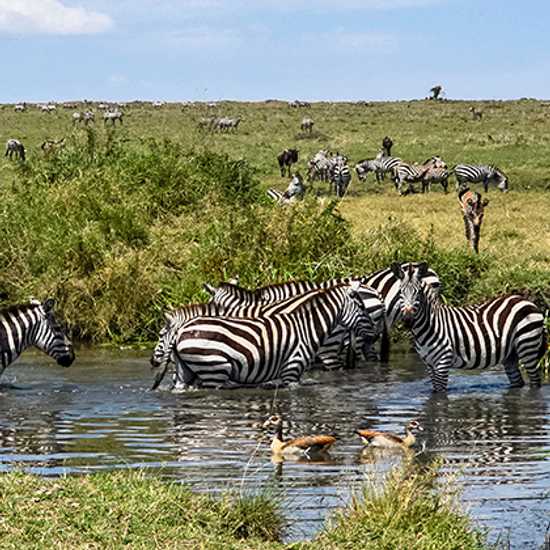
- The transient pools that develop during the rainy season attract wildlife.
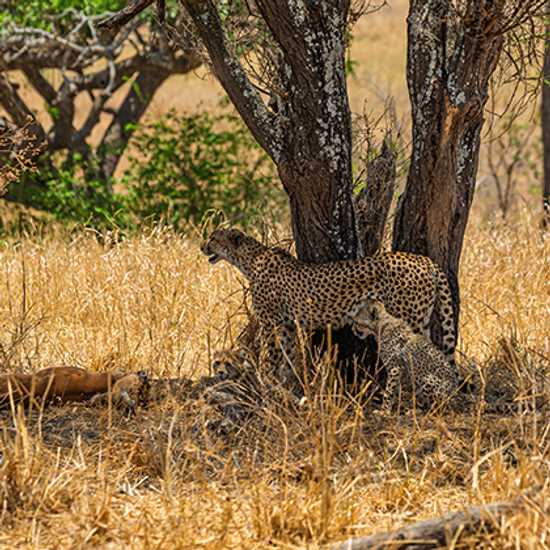
- It's a nice time to observe newborns and active predators.
Winter Break (July – October)
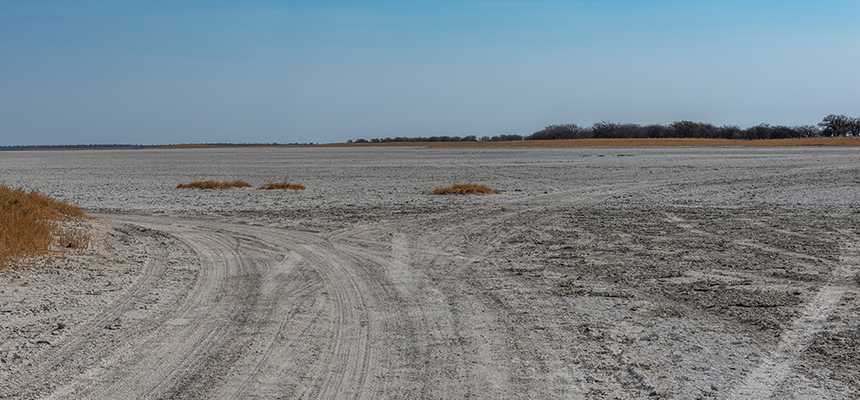
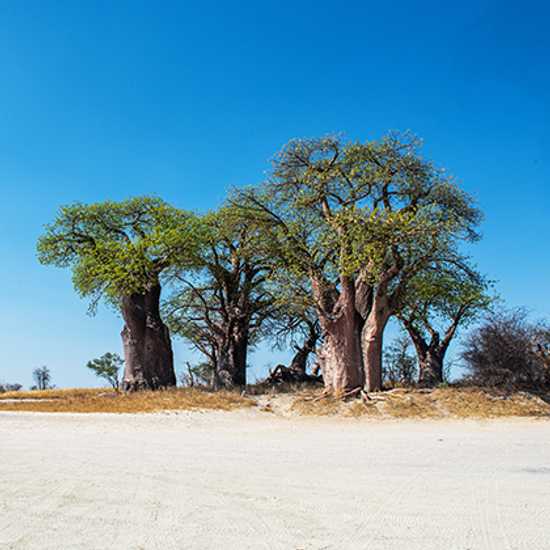
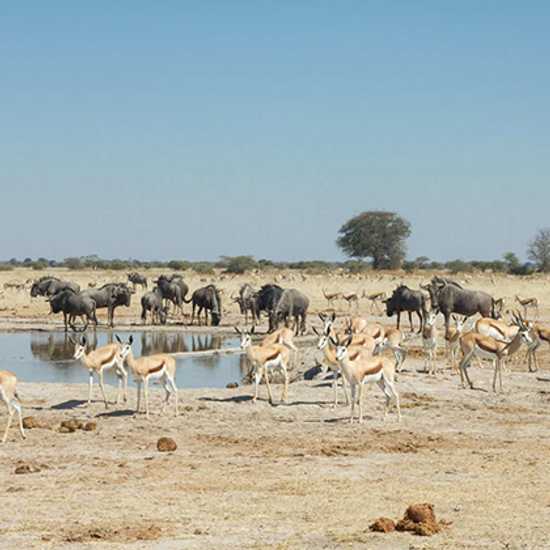
- Nxai Pan becomes a dry-season wilderness, where animals gather around remaining water sources and wildlife sightings become rewarding.
- The pans trap rainwater which brings in great gatherings of animals.
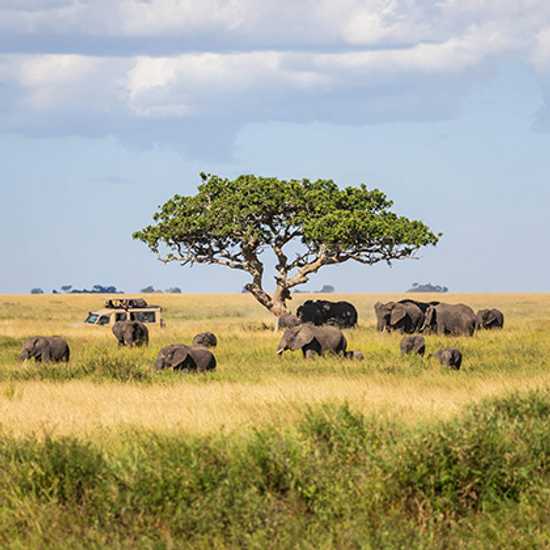
- Elephants, giraffes and antelopes, zebras plod across the green plains.
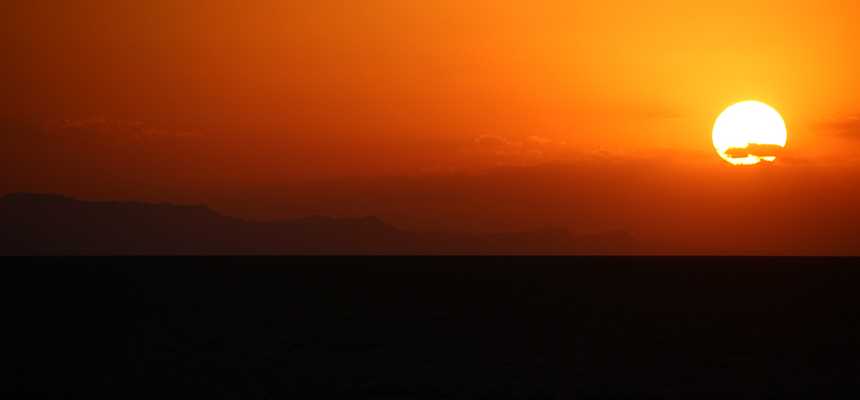
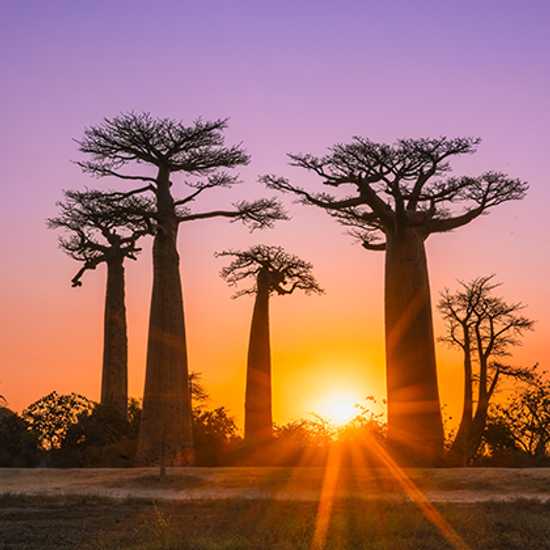
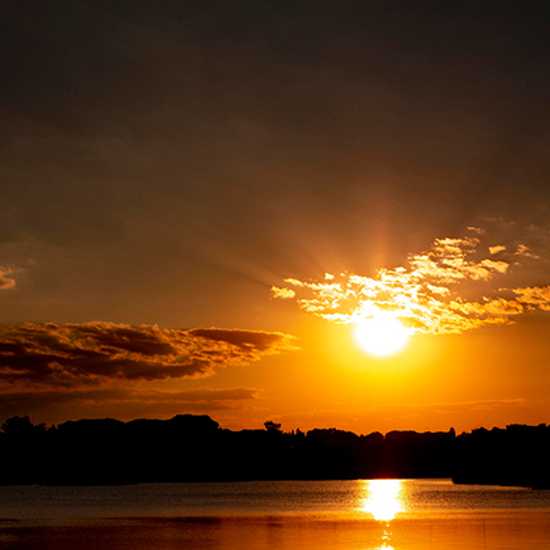
- Afternoon showers can produce spectacular sunsets.
- There are a range of birds to enjoy, including colourful waterbirds.
Autumn Transition (April – May)
- The rain gradually starts to go away and the scenery is newly formed.
- The Park stays green as temperatures cool down.
- The animals are still drinking from the remaining water.
- A quiet time of the year with lesser visitors and relaxed safari.
- Beautiful photography opportunities abound in the ever-changing scenery.
Cool Dry Season (June – August)
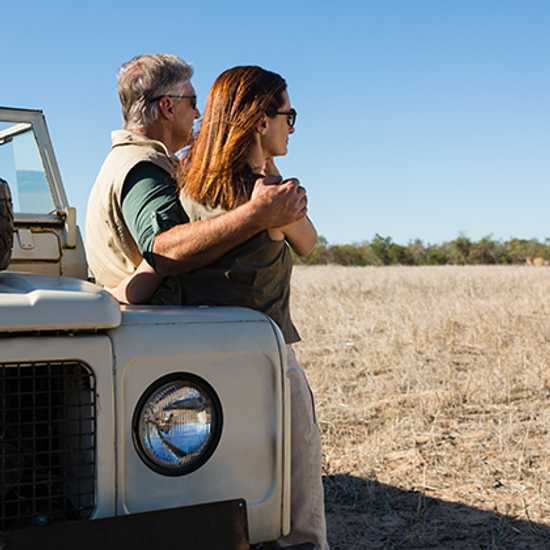
- The cooler afternoons and clear blue skies make for perfect safari weather.
- Animals are more likely to be seen near permanent water areas.
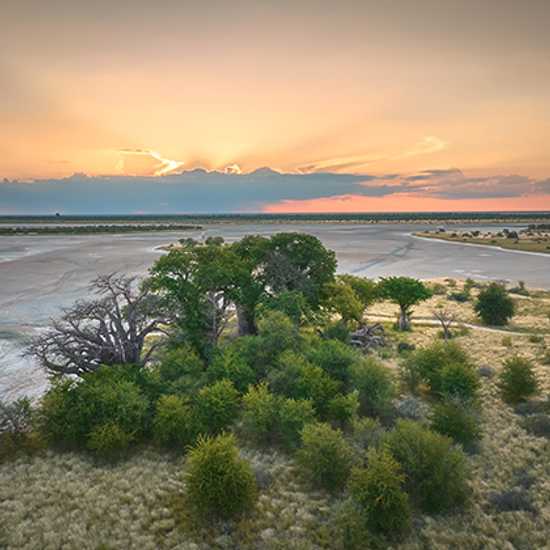
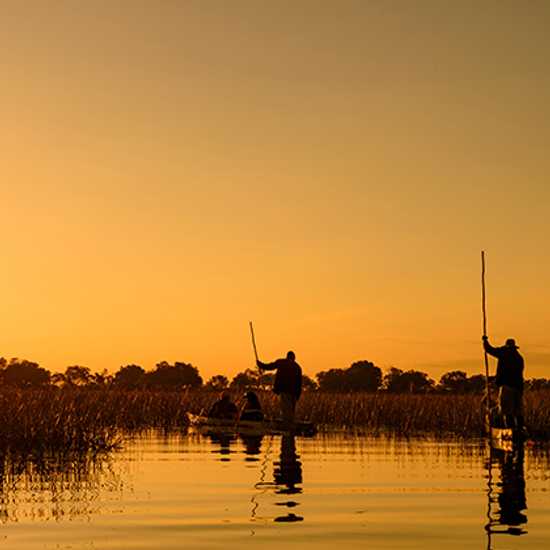
- It's a magical early morning when the golden light plays on the pans.
- July can be cold at night, particularly.
- The arid environment brings out the best in Botswana's wild scene.
Spring Warmth (September – October)
- As the following rains roll in, the land warms up.
- Early mornings and late afternoons are the time when animals are more active.
- Dry plains provide superb opportunities to see wildlife.
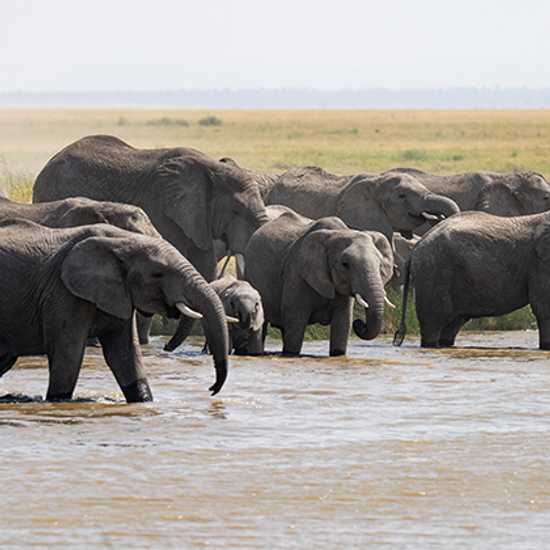
- Animals such as elephants look for the remaining sources of water.
- When it's going to rain, the park comes alive.