Loading ...


Discover the experiences of travellers
Your go-to guide of the best locations to spend your next well-deserved holiday
let us help you
Browse a cracking selection of the top-rated stays in Makgadikgadi Salt Pans
let us help you
A SNEAK PEAK
HIGHLIGHTS
SEASONS TO TRAVEL
WORTH A VISIT
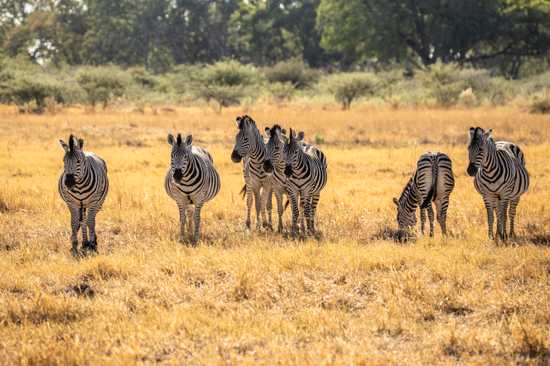
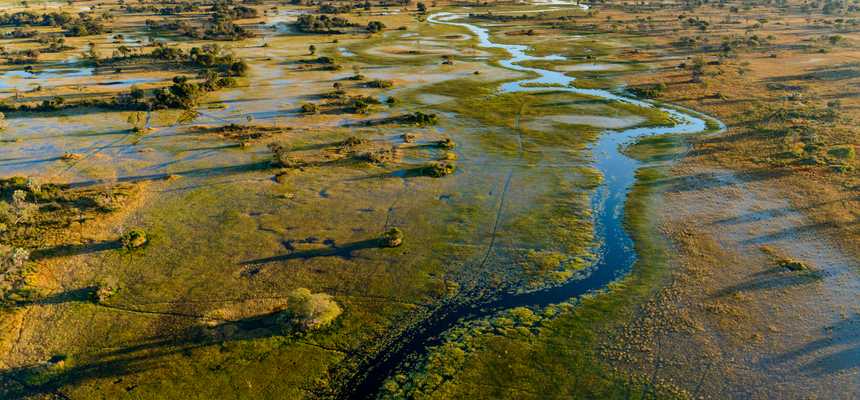
• The pans transform completely during the rainy season, filling with shallow water.
• Dusty plains suddenly burst into life, attracting migrating animals and lush grasses.
• Temporary wetlands attract flamingos, zebras, and various other creatures.
• The formerly parched and fractured ground now shimmers with reflective pools.
• The new water bodies are serving as breeding grounds for migratory birds.
• You'll notice the view change from a dry, arid expanse to one brimming with foliage and life.
• It provides two distinct experiences depending on the season, each equally fascinating.
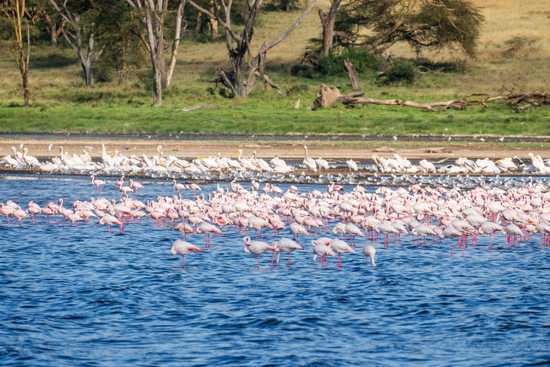
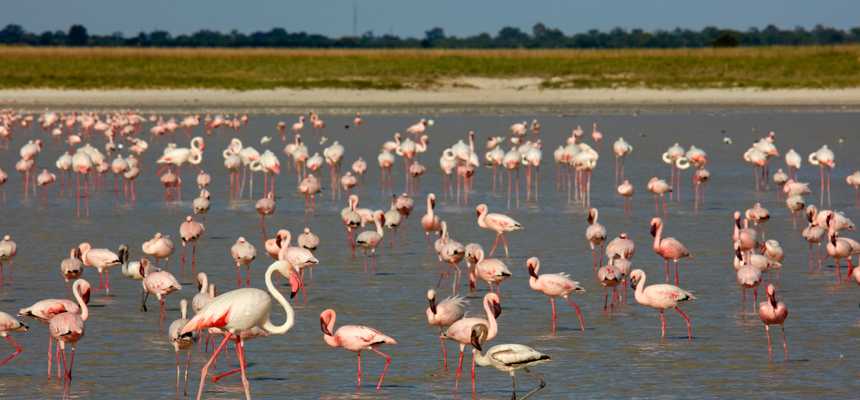
•Thousands of flamingos gather at the pans to feed and nest once the rain starts.
•This place is a hidden gem for birdwatchers in Southern Africa. The shallow, salty water here is perfect for growing lots of algae, which is what the birds love to eat.
•The pink color really stands out against the white pans.
• It's very amazing to see them soar in synchronised flocks.
• Birdwatchers and wildlife photographers travel from all over the world to witness this spectacle.
• Flamingos coming back signals the region's seasonal cycles are healthy.
•It's actually more important for Southern African birdwatching than most people realize.
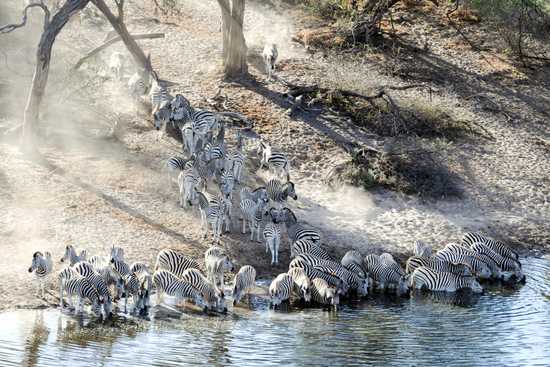
• Every year, hundreds of zebra migrate between Botswana and Zimbabwe.
• This is the second-largest zebra migration in the world after the Serengeti.
• Their movement starts because of rain and new places to graze.
•Visitors can watch zebras travel in single-file lines on the open plains..
• You'll see long lines of zebras walking across the plains.
• It shows nature's ancient routines without anything hidden.
• This migration is peaceful and personal, unlike busier ones.
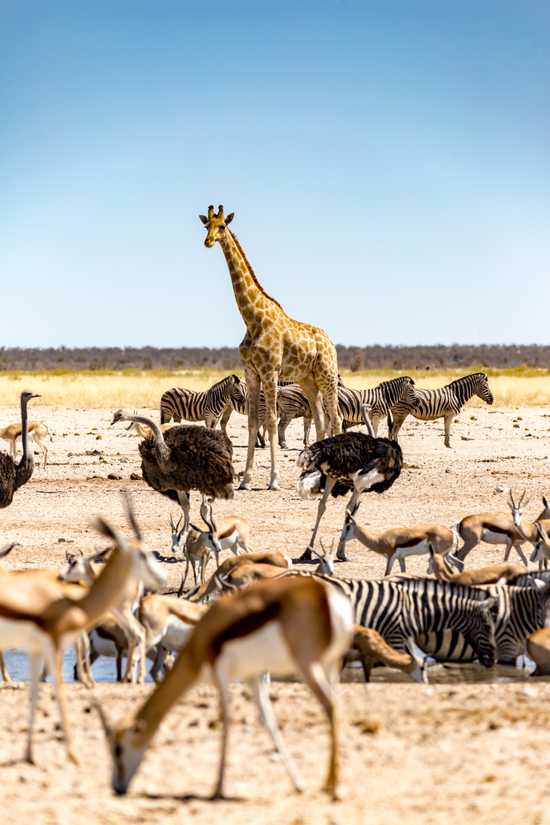
• Home to wildlife specifically evolved for arid conditions.
• Spot these rare, shaggy nocturnal predators.
• Look out for these shy, insect-eating hyena relatives.
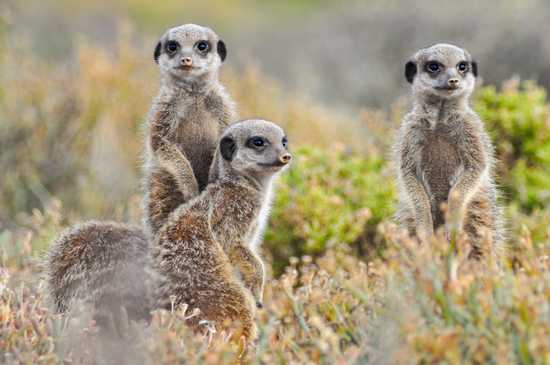
• Abundant and often seen standing sentinel.
• A special highlight, they can be very curious and close to visitors.
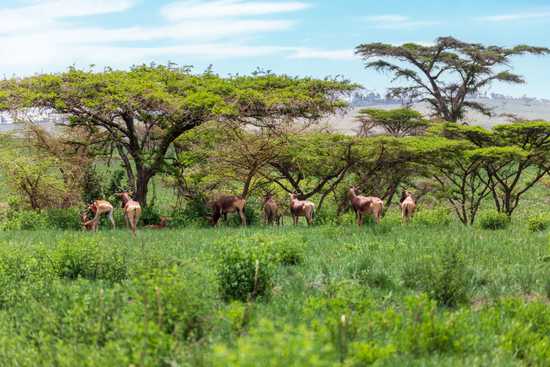
• Various antelope like springbok and gemsbok are present.
• Many animals live here all year, not just during migrations.
• Offers fascinating wildlife encounters even when the large herds are absent.
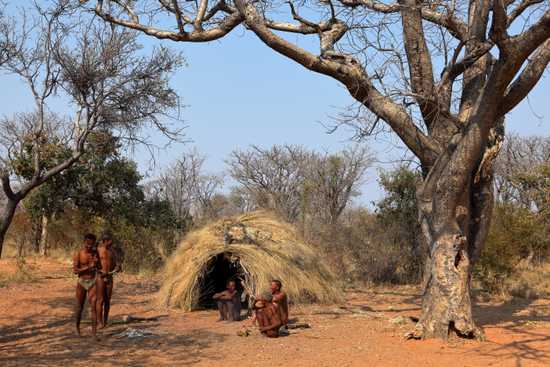
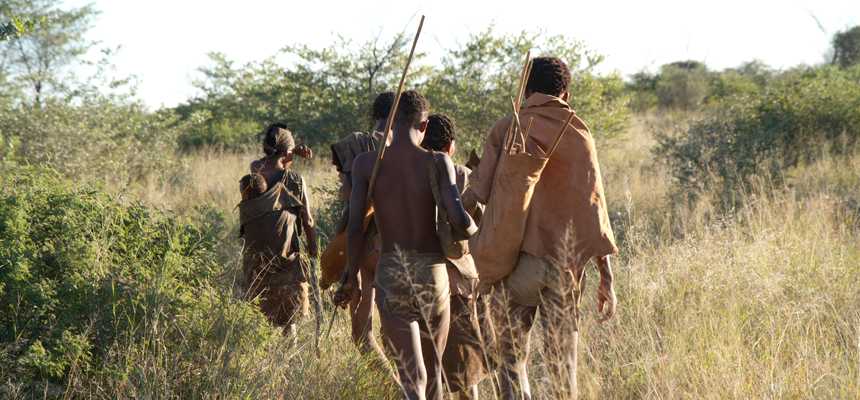
• Visitors can meet and learn from the indigenous San people.
• The San share traditional survival skills, including tracking and fire-making.
• Listen to fascinating tales of old ways and folklore.
•Learn about how much the San people feel connected to nature and the land.
• Look at ancient rock drawings and learn what they mean.
• Learn about medicinal plants and foraging techniques used for millennia.
• This immersive experience offers respect, insight, and cultural appreciation.
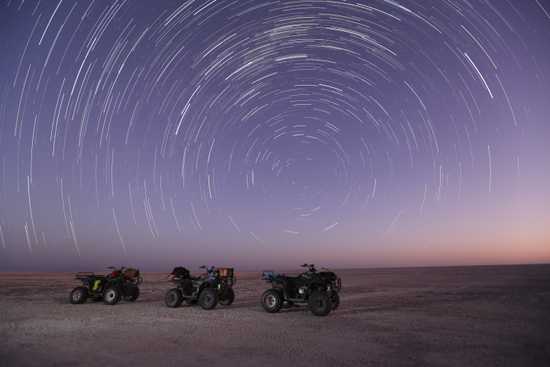
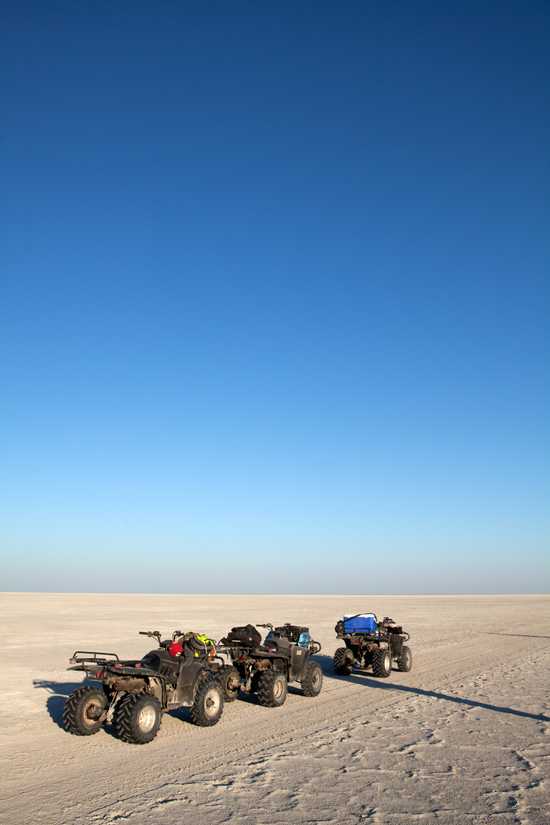
• Explore vast salt pans and desert-like terrain on high-adrenaline quad bikes.
• Explore hidden landscapes only reachable by special transport.
• It's a very quiet, wide-open place that feels like a dream adventure.
• Quad biking at sunrise or sunset adds breathtaking beauty to the thrill.
• It’s a unique way to experience the pans’ isolation and scale.
• Guided rides include safety instruction and eco-conscious practices.
• Suitable for beginners and adventure seekers alike, it adds excitement to any Botswana journey.
DISCOVER MORE
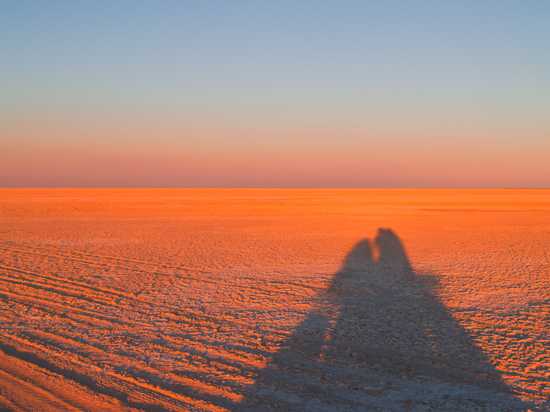
• The pans' unique rocks and minerals resemble features found on Mars.
• They show how ancient rivers and lakes might have looked on Mars.
• The salts left behind are similar to minerals found by Mars rovers.
• The pans help scientists figure out that Mars used to be wet.
• It shows us places on Mars that might have had water and life..
• The pans are crucial for understanding ancient human presence.
• Numerous Stone Age tools have been unearthed.
• Some findings date human activity back tens of thousands of years.
• They offer insights into how early humans lived.
• The discoveries show human adaptation to this harsh, changing landscape.
• The sites provide a rare window into the very distant human past.
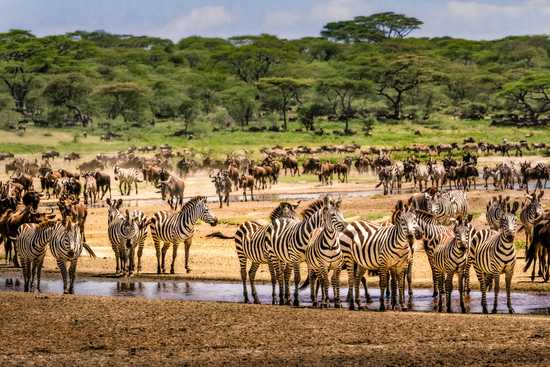
• Each year, thousands of zebras migrate across Botswana in a little-known journey.
• This migration between the Okavango Delta and the pans is the longest in Africa.
• The route remained unknown until tracked via GPS collars.
• Zebras travel over 500 km in search of fresh grazing and water.
• This movement is driven by seasonal rains and grass growth.
• The Kazuma area becomes a key stopover filled with life during the rains.
• The migration supports other wildlife, including predators and scavengers.
• It’s one of Africa’s most dramatic and under-the-radar wildlife spectacles.
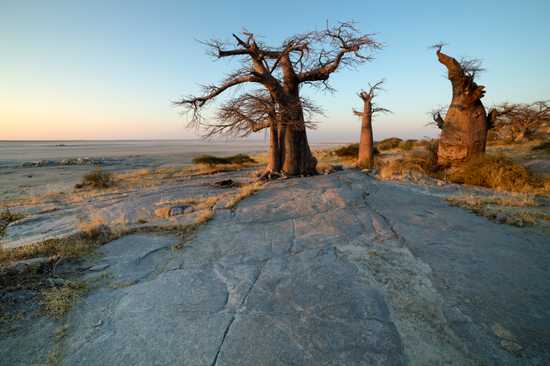
• The Makgadikgadi region is defined by stunning environmental contrasts.
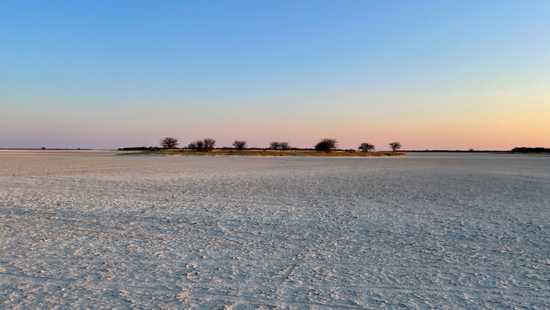
• During the dry season, it becomes a cracked, salt-covered desert.
• But after the rains, it transforms into a shallow lake teeming with life.
• Flamingos flock by the thousands to reproduce in these flooded pans.
• The shift from barren to bustling with nature is fast and amazing.
• Extreme conditions push both wildlife and humans to their limits.
• These cycles help scientists appreciate climate variability and survival strategies.
• The region exemplifies nature's ability to adapt and rejuvenate.
CULTURE & TRADITIONS
FOOD FUN FASHION


NATURE & SAFARI
EVENTS & FIESTAS