Summer (November to March)
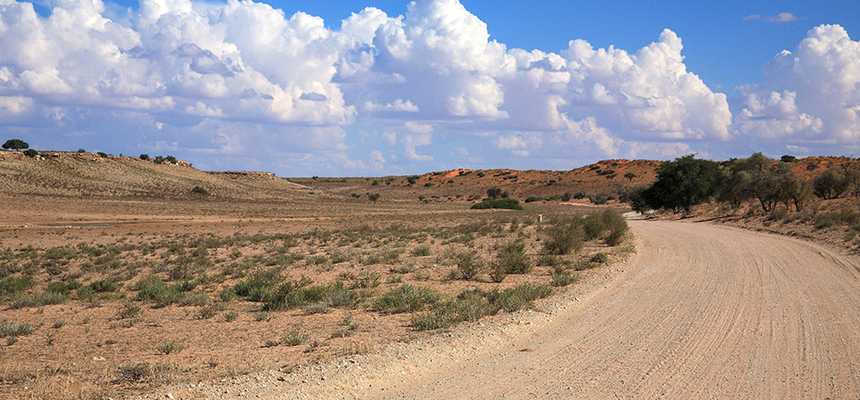
- Hot days in the summer, afternoon thunderstorms that can transform the dry desert into a lush landscape.
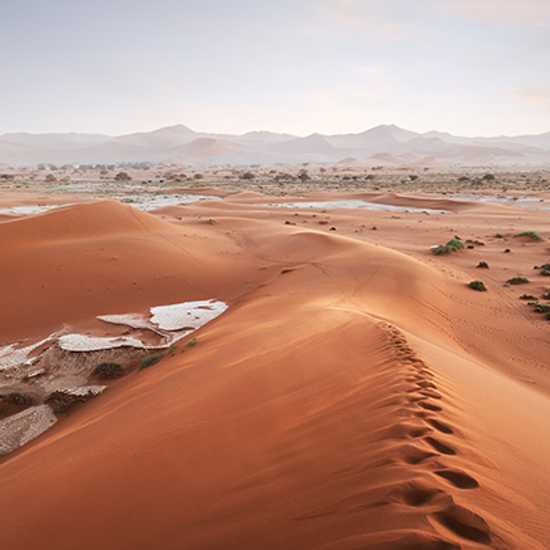
- Grasses, flowers and desert plants sprout over the red sand dunes with rain.
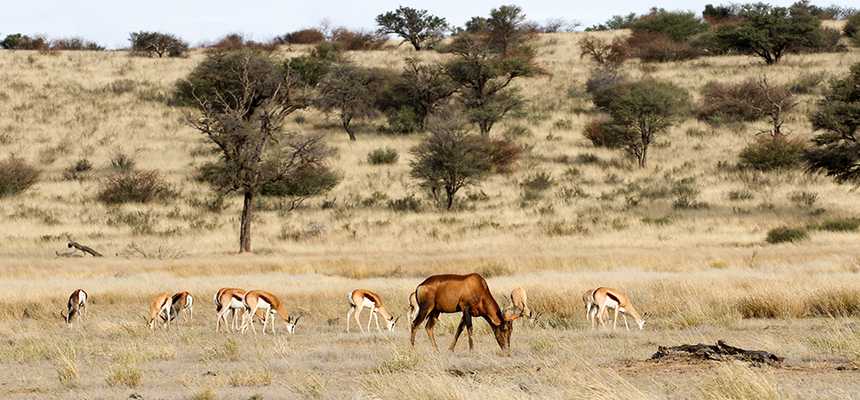
- During this season, many antelope give birth as fresh grazing is available.
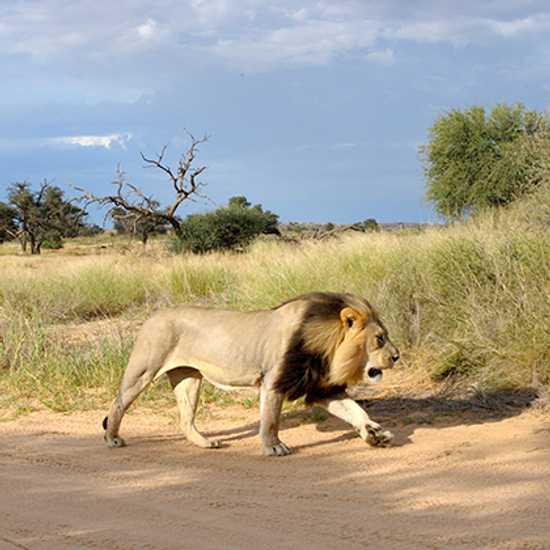
- Young animals are easier to find and lions and cheetahs and other predators are more active.
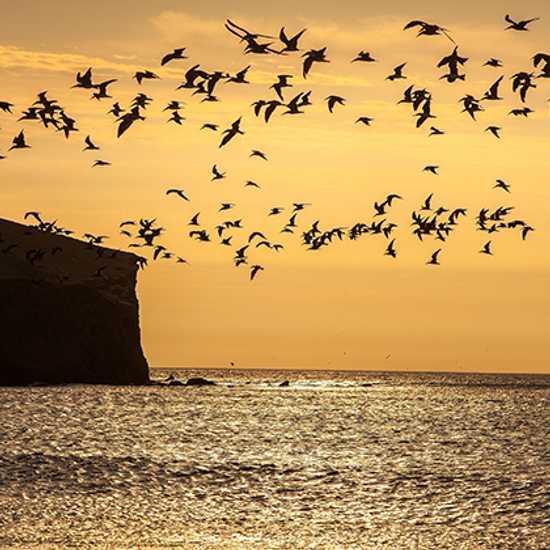
- Summer is one of the best times for bird watching, as the rains are followed by migratory birds.
Autumn (April to May)
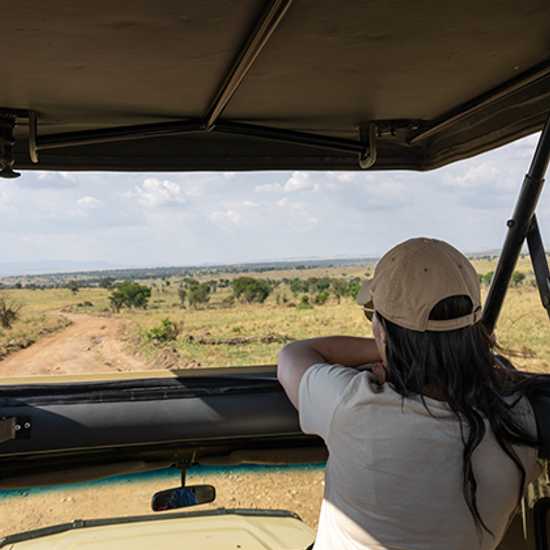
- Long game drives are more comfortable in the cooler weather of autumn.
- Rainy season green grass is sometimes left behind, colouring the desert landscape.
- There is less extreme weather for wildlife, which keeps them active much of the day.
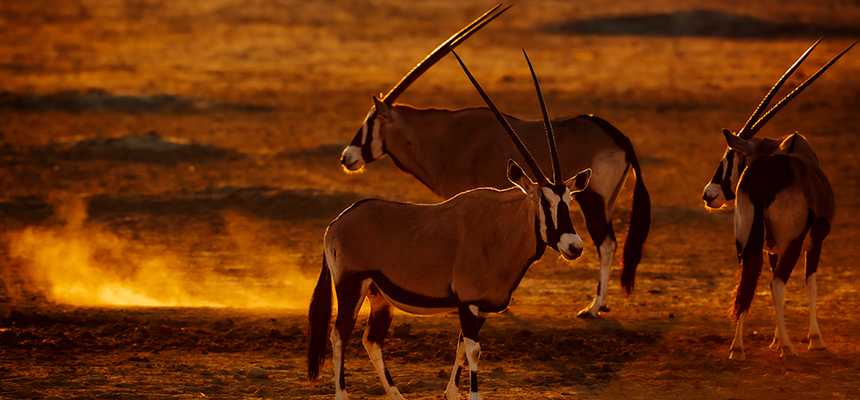
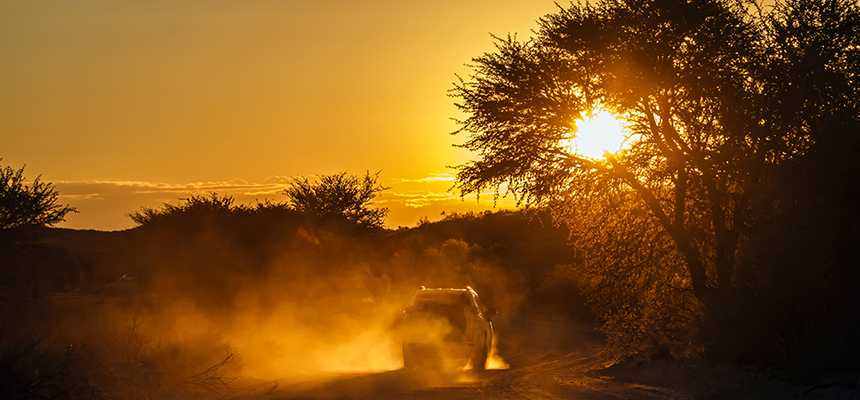
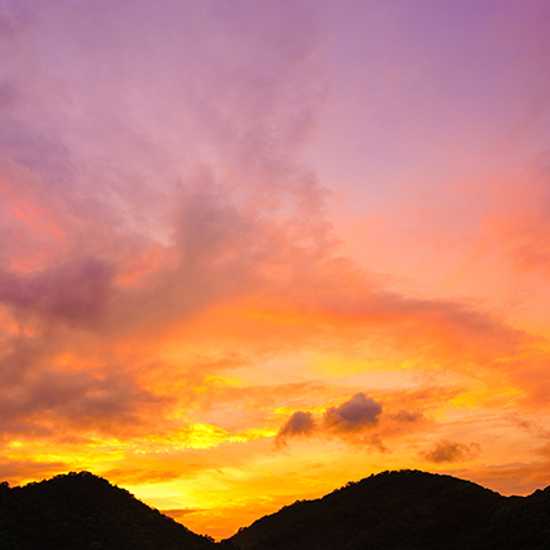
- Sunrises and sunsets are spectacular with the clear air and quiet nights.
- The peaceful atmosphere makes this a wonderful season to enjoy the quiet beauty of the Kalahari.
Winter (June to August)
- The winter season has warm days, cold nights and little sunshine.
- Wildlife is concentrated around permanent water holes, providing easier opportunities to see animals.
- Dry air and clear skies are ideal for photography.
- With the cool temps, many animals can be seen more during the day.
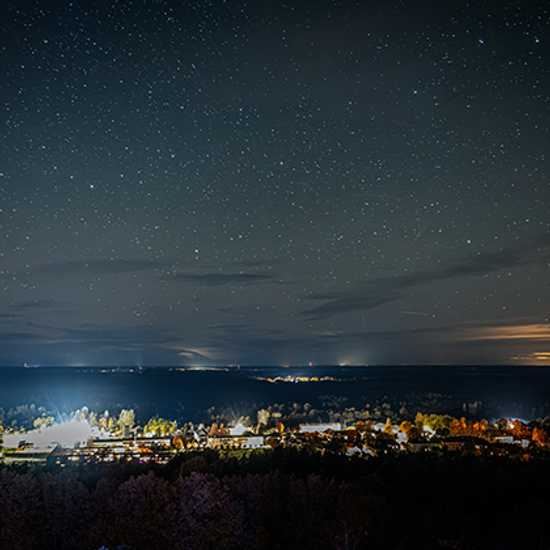
- The nights are dark and cloudless, providing excellent views of the stars over the desert.
Spring (September - October)
- As the park gears up for the rainy season, the temperature starts to rise in the spring.
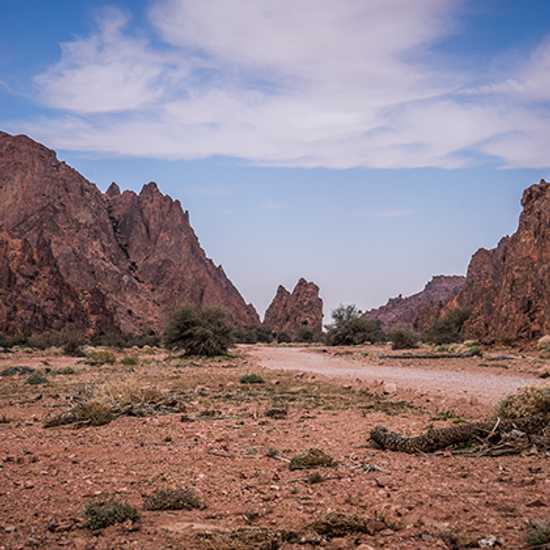
- Under the bright sunshine it is a dry landscape with rich red sands and golden grasses.
- Natural water is still scarce and wildlife continue to visit waterholes regularly.
- Throughout the summer months, rainfall is expected, and many animals begin to become more active as they get ready to receive it.
- Spring is a great time to visit the desert due to the warm, sunny weather.